
After a few years of doing this work, I’ve heard most of the placenta encapsulation myths out there — some from worried family members, some from articles clearly written by people who’ve never actually met an encapsulator. So here are a few I’d like to gently clear up.
Common Placenta Encapsulation Myths, Busted
“It’s illegal or unregulated”
It isn’t illegal, and there is guidance encapsulators are expected to follow around hygiene and safe handling. What varies is how seriously individual practitioners take it — which is exactly why the process and the space matter more than any single piece of paper (more on that in Inside My Process).
By the time it’s capsule form, there’s no taste or smell involved at all — you’re swallowing a capsule, the same as any other supplement.
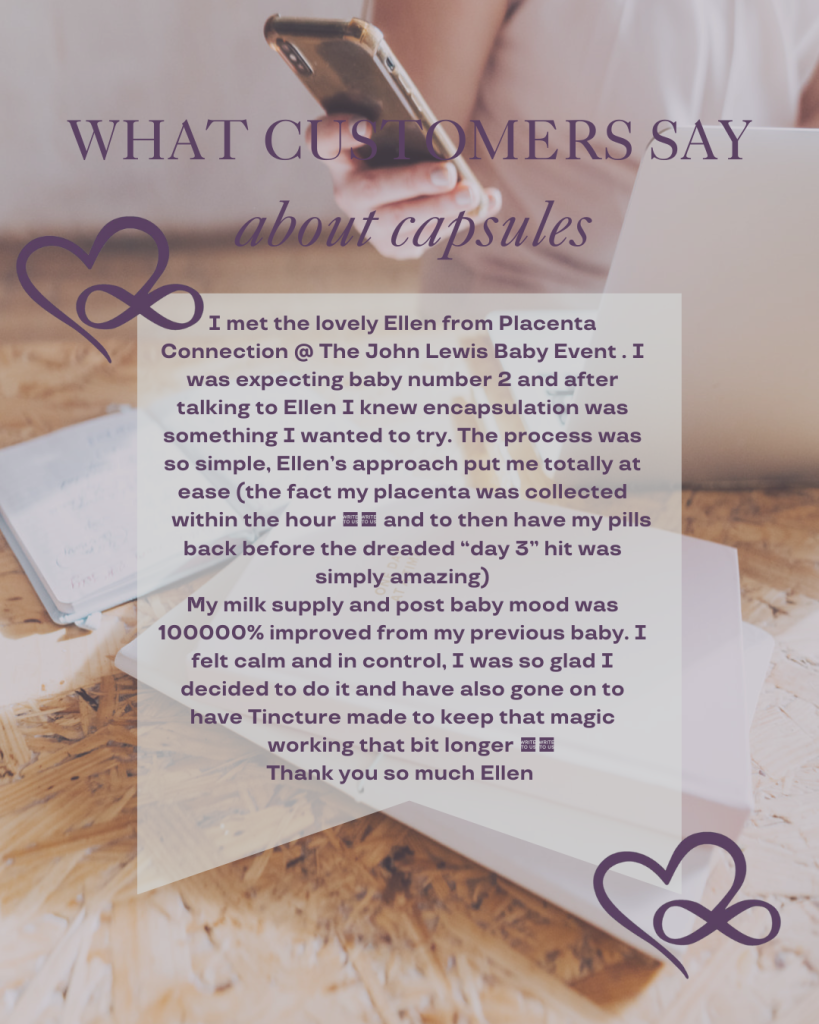
The practice of using the placenta after birth actually has roots in various cultural and traditional practices going back a long way, even if it’s had a recent wave of visibility online. I’d rather be honest that the modern clinical evidence base is still limited, than claim it’s either an ancient miracle cure or a meaningless fad — the truth sits somewhere more modest than either extreme.
You can. As long as there’s no infection or complication that affects the placenta itself, mode of birth doesn’t rule it out.
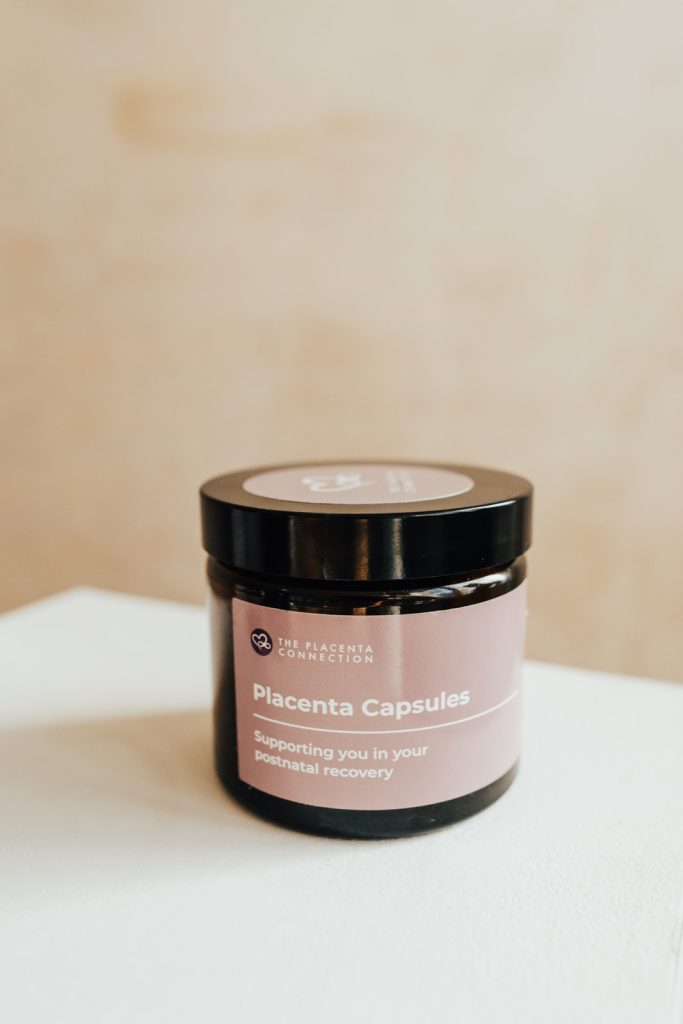
Genuinely, the people I work with come from every background you can imagine. There’s no particular “type” of person who chooses this — just people who wanted to try something for their own recovery and decided it was worth it for them.
If you’ve heard something about encapsulation that’s made you hesitate, I’d always rather you asked me directly (see my FAQs) than took a stranger’s comment on the internet as fact. No pressure either way — just accurate information so you can decide for yourself.