Posted on

What Is Placenta Encapsulation? A Beginner’s Guide

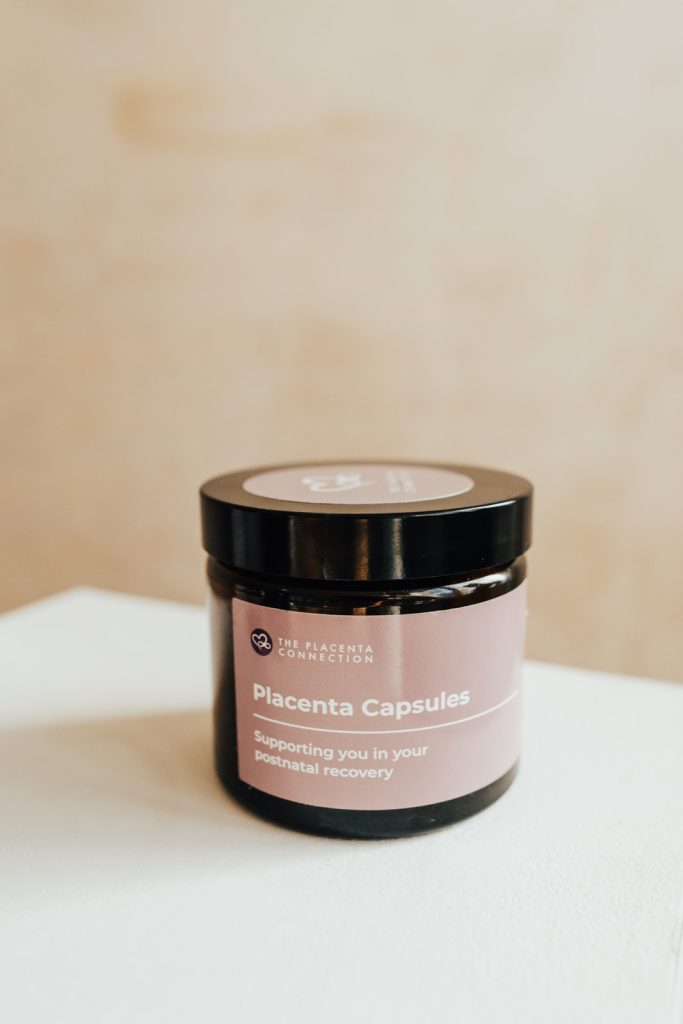
If you’ve ended up here, you’ve probably heard the term “placenta encapsulation” somewhere — a friend, a birth group, an Instagram comment — and you’re not quite sure what it actually involves. So, plainly: it’s the process of taking your placenta after birth and turning it into capsules you can take like any other supplement, usually over the weeks and months of your fourth trimester.

What Placenta Encapsulation Actually Involves

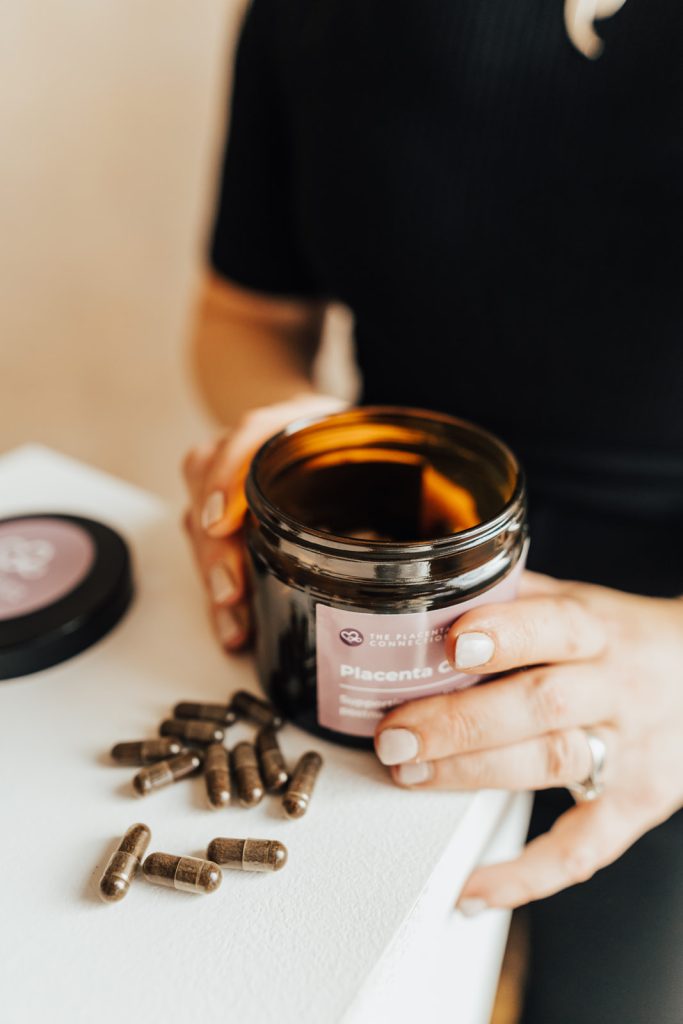
Here’s what actually happens. After your birth, your placenta is collected (I’ll come and collect it from you or from the hospital, depending on where you’ve given birth) and taken to a dedicated, clinical space — not a kitchen — where it’s gently steamed, dehydrated at a controlled temperature, ground down, and put into capsules. You’re usually looking at 100–200 capsules per placenta, and I hand-deliver them back to you, often within a day or two.
Why do people choose it? Reasons vary, and I try not to promise things I can’t back up — placenta encapsulation isn’t something with a large body of clinical research behind it, and I think it’s important to say that honestly rather than oversell it — you can read the AJOG review of the current research yourself if you’d like the detail. What I hear most often from the people I work with is that they wanted to feel like they were doing something proactive for their own recovery, the way we naturally think about supporting a newborn but rarely think as much about supporting the person who just gave birth. Some come to it through cultural or family tradition. Some are drawn to the idea of using what’s already theirs, rather than adding something external.

It’s genuinely a personal choice, and I’d rather you make it with clear eyes than because of a promise I can’t stand behind. What I can tell you confidently is how the process works, how it’s handled hygienically, and what my clients have told me about their own experience — which I’ll go into more in future posts.
Is Placenta Encapsulation Right for You?

If you’re pregnant and curious, there’s no rush to decide. Have a look at my Service & Price List or my FAQs for the practical details, or get in touch — most people reach out in their third trimester, and I’m always happy to talk it through with no pressure either way.
Posted on

Inside My Process: Why Hygiene and Space Matter More Than a Certificate

The question I get asked most often about my placenta encapsulation process isn’t about accreditation — it’s “where do you actually do this?” And I think that’s the right question to ask.

Why a Certificate Isn’t Enough

There’s a lot of noise online about certifications and courses in this industry, and honestly, a certificate tells you very little about whether your placenta is being handled safely. What tells you a lot more is the actual physical space something is prepared in, and the process used to get it there.

My Placenta Encapsulation Process

So here’s my placenta encapsulation process, plainly. Your placenta is never processed in a domestic kitchen. I work from a separate, dedicated clinical space, set up specifically for this — not shared with food preparation, not doubling as anything else. I follow strict hygiene protocols throughout: single-use equipment where appropriate, thorough sanitising between every stage, and careful temperature control during steaming and dehydrating, which is what makes the capsules safe to take over the following weeks.

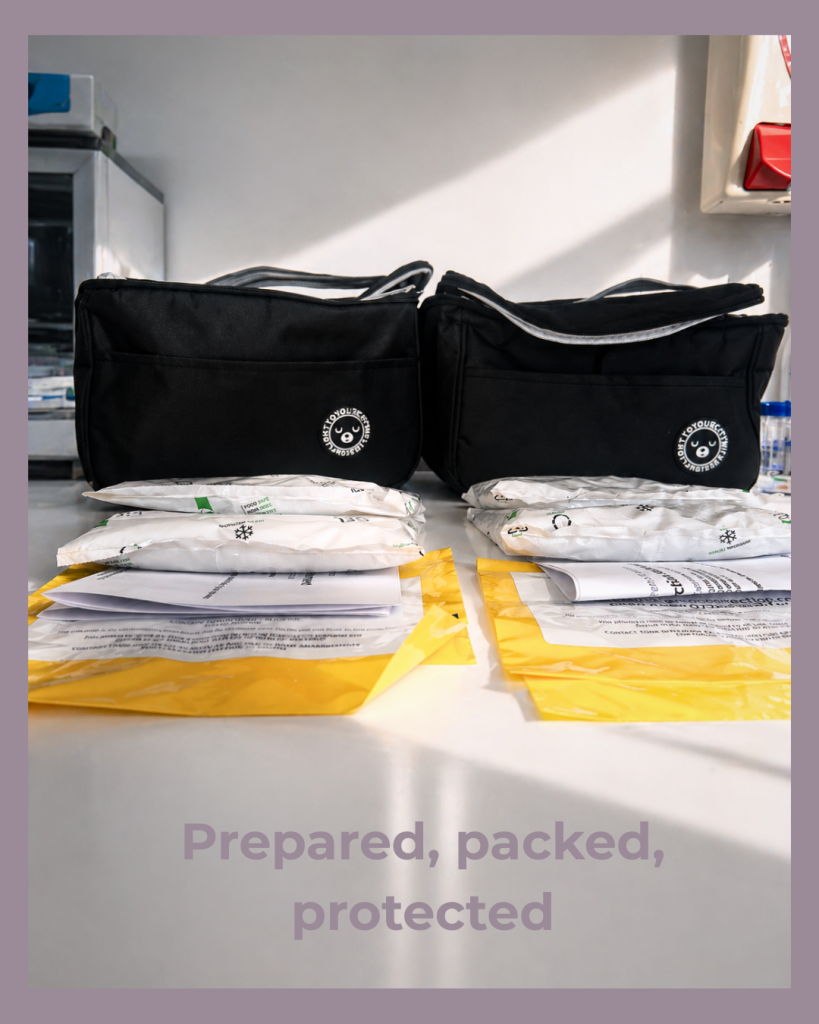
I also collect your placenta directly, whether that’s from home or from Medway Hospital, Darent Valley Hospital, or Princess Royal University Hospital in Orpington (all free collection — a courier fee applies for other locations, and I’m always upfront about that cost before you book). I keep it correctly chilled from the moment I collect it to the moment processing begins, because that cold chain matters just as much as anything that happens later.

I think it’s fair that you’d want to know all of this before trusting someone with something as personal as your placenta. So ask. Ask any encapsulator you’re considering where they actually work, not just what training they’ve done. It’s a completely reasonable question, and a good answer should be specific, not vague. You can see my full process and pricing on my Service & Price List, and I’ve answered more of these questions on my FAQs page.

Posted on

Placenta Encapsulation Myths I Hear All the Time

After a few years of doing this work, I’ve heard most of the placenta encapsulation myths out there — some from worried family members, some from articles clearly written by people who’ve never actually met an encapsulator. So here are a few I’d like to gently clear up.

Common Placenta Encapsulation Myths, Busted

“It’s illegal or unregulated”

It isn’t illegal, and there is guidance encapsulators are expected to follow around hygiene and safe handling. What varies is how seriously individual practitioners take it — which is exactly why the process and the space matter more than any single piece of paper (more on that in Inside My Process).

By the time it’s capsule form, there’s no taste or smell involved at all — you’re swallowing a capsule, the same as any other supplement.

The practice of using the placenta after birth actually has roots in various cultural and traditional practices going back a long way, even if it’s had a recent wave of visibility online. I’d rather be honest that the modern clinical evidence base is still limited, than claim it’s either an ancient miracle cure or a meaningless fad — the truth sits somewhere more modest than either extreme.

You can. As long as there’s no infection or complication that affects the placenta itself, mode of birth doesn’t rule it out.

Genuinely, the people I work with come from every background you can imagine. There’s no particular “type” of person who chooses this — just people who wanted to try something for their own recovery and decided it was worth it for them.

If you’ve heard something about encapsulation that’s made you hesitate, I’d always rather you asked me directly (see my FAQs) than took a stranger’s comment on the internet as fact. No pressure either way — just accurate information so you can decide for yourself.

Posted on

Which Placenta Remedy Is Right for You?

Encapsulation isn’t the only way to use your placenta — it’s just the most well-known. Here’s a quick, honest look at your placenta remedy options, so you can pick what actually suits you rather than just going with the default.

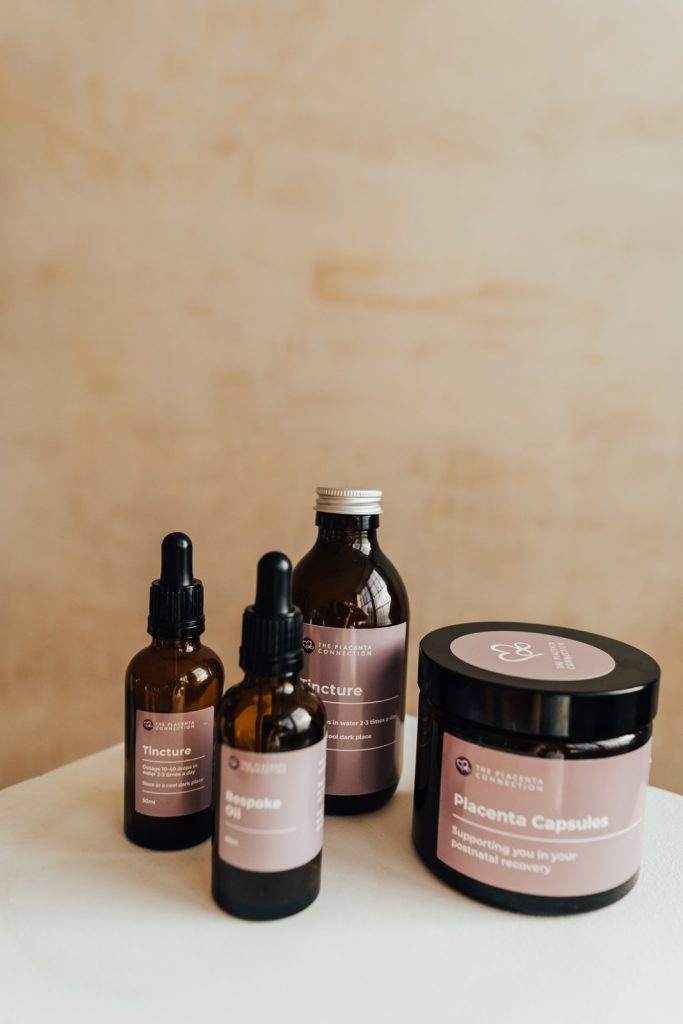
Placenta Remedy Options: Capsules, Tinctures and More

Capsules

The most popular choice, and for good reason — they’re simple, easy to store, easy to take on a normal schedule (I’ll give you guidance on this), and they don’t require you to do anything once they’re made. If you want something low-effort during a period when almost nothing else is low-effort, this is usually the right call.

A small amount of placenta preserved in alcohol, which lasts indefinitely and can be used well beyond the postnatal period — some people keep a tincture for years, using a few drops during later life transitions like menopause. It’s a nice option if you like the idea of something that isn’t just for right now.

Not a remedy exactly, but something a lot of people don’t realise is available — a print taken from the placenta before processing, which some find a meaningful thing to keep alongside their birth story.

You don’t have to choose just one. Most of what I offer can be combined — capsules and a tincture, for instance — depending on what feels right to you. When we talk before your birth, I’ll walk you through what’s realistic and let you decide, rather than assuming you want the standard package — full options and pricing are on my Service & Price List, or you can book a chat directly.