
The question I get asked most often about my placenta encapsulation process isn’t about accreditation — it’s “where do you actually do this?” And I think that’s the right question to ask.
Why a Certificate Isn’t Enough
There’s a lot of noise online about certifications and courses in this industry, and honestly, a certificate tells you very little about whether your placenta is being handled safely. What tells you a lot more is the actual physical space something is prepared in, and the process used to get it there.
My Placenta Encapsulation Process
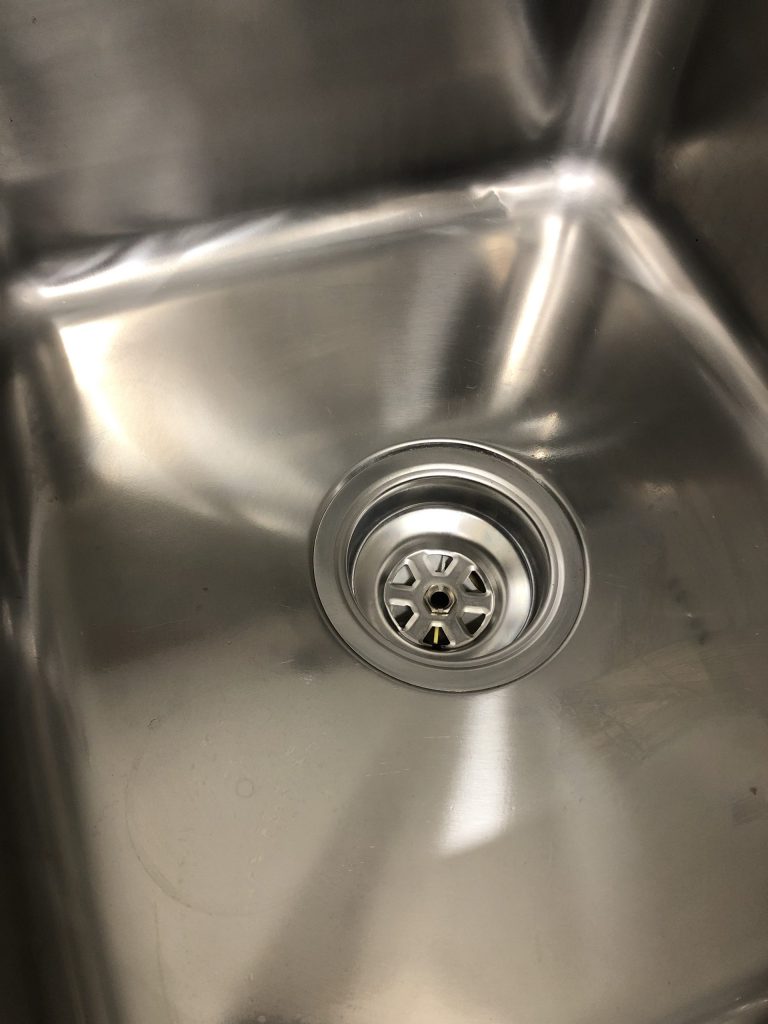
So here’s my placenta encapsulation process, plainly. Your placenta is never processed in a domestic kitchen. I work from a separate, dedicated clinical space, set up specifically for this — not shared with food preparation, not doubling as anything else. I follow strict hygiene protocols throughout: single-use equipment where appropriate, thorough sanitising between every stage, and careful temperature control during steaming and dehydrating, which is what makes the capsules safe to take over the following weeks.
I also collect your placenta directly, whether that’s from home or from Medway Hospital, Darent Valley Hospital, or Princess Royal University Hospital in Orpington (all free collection — a courier fee applies for other locations, and I’m always upfront about that cost before you book). I keep it correctly chilled from the moment I collect it to the moment processing begins, because that cold chain matters just as much as anything that happens later.
I think it’s fair that you’d want to know all of this before trusting someone with something as personal as your placenta. So ask. Ask any encapsulator you’re considering where they actually work, not just what training they’ve done. It’s a completely reasonable question, and a good answer should be specific, not vague. You can see my full process and pricing on my Service & Price List, and I’ve answered more of these questions on my FAQs page.