Posted on

What Your Body Is Actually Doing in the Weeks After Birth

Nobody hands you a manual for what your body goes through after birth (the NHS guide to your body after the birth is a good companion to this), so here’s what postnatal recovery actually looks like, laid out plainly — not to alarm you, just so that when it happens, you recognise it as normal rather than worrying it isn’t.

Postnatal Recovery: What’s Normal in the Weeks After Birth

Bleeding (lochia)

You’ll bleed for anywhere from a couple of weeks up to six, starting heavier and gradually tapering off and changing colour. It’s normal, but a sudden increase, large clots, or a strong odour is worth mentioning to your midwife.

The days and weeks after

Straight after birth your uterus is roughly the size it was at 20 weeks pregnant, and over about six weeks it gradually returns to its pre-pregnancy size. You might feel cramping, especially while breastfeeding, as this happens.

If you had stitches, a tear, or a caesarean, healing genuinely takes weeks, not days, even when it looks fine on the surface. Sitting, standing, and moving comfortably again is a gradual process — go at the pace your body sets, not the pace you think you’re “supposed” to be at.

A sharp drop in oestrogen and progesterone after birth is part of why the first week or two can feel emotionally intense, sometimes referred to as the “baby blues.” This is different from postnatal depression, which lasts longer and is worth speaking to your GP or midwife about if it doesn’t lift.

Whether you had a vaginal birth or a caesarean, your pelvic floor has carried significant weight over nine months and deserves some gentle rebuilding — a physio referral (sometimes automatic, sometimes worth requesting) can be genuinely useful here.

This is a different, deeper kind of tired than you’re used to, and it doesn’t always resolve with a nap. It resolves with time, support, and lowering the bar on everything that isn’t your own recovery and your baby.

None of this is meant to be a checklist to worry over. It’s meant to be a reference, so that when your body does one of these very normal things, you already know it’s expected — not a sign that something’s wrong. Pair this with Eating for Recovery for the nourishment side of things.
Posted on

Eating for Recovery: Simple Fourth Trimester Nutrition

Food in the fourth trimester tends to fall into one of two categories: whatever’s fastest, or whatever someone else has kindly dropped round. Both are completely fine. Good fourth trimester nutrition isn’t about elaborate meal-prep while you’re running on broken sleep — that’s not realistic, and I don’t think it’s useful advice.

What I’d rather offer is a few simple, low-effort principles that make a genuine difference without adding pressure (if you’re breastfeeding, the NHS breastfeeding and diet guidance is worth a look too).

Simple Fourth Trimester Nutrition Principles

Warm, easy-to-digest food

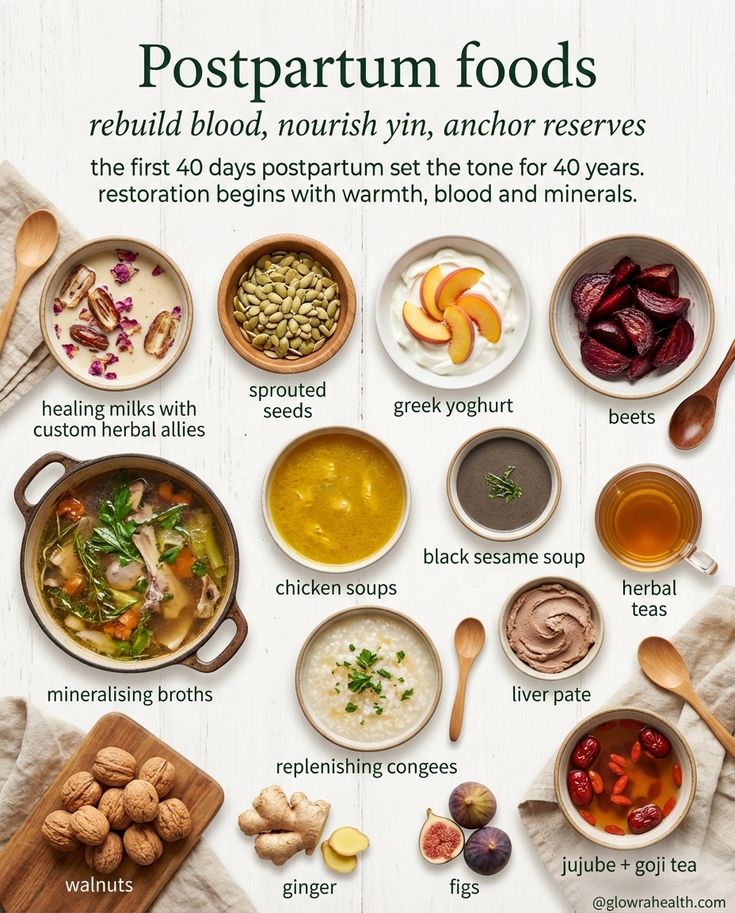
Your body is doing a huge amount of repair work, and warm, simply cooked meals — stews, soups, dhal, porridge — tend to sit more easily than a lot of raw or cold food in those first weeks. This isn’t a strict rule, just something a lot of people find helpful.

Protein and iron, little and often

You’ve likely lost some blood during birth, and protein supports tissue repair. Eggs, lentils, meat, tofu, nut butters — whatever fits your diet — are worth having easily available, even if it’s just a spoonful of nut butter between feeds.

Hydration, especially if you’re breastfeeding

It sounds obvious, but it’s the first thing that slips when you’re exhausted and one-handed. A big water bottle kept wherever you feed your baby makes it far more likely you’ll actually drink enough.

Batch or delivered meals

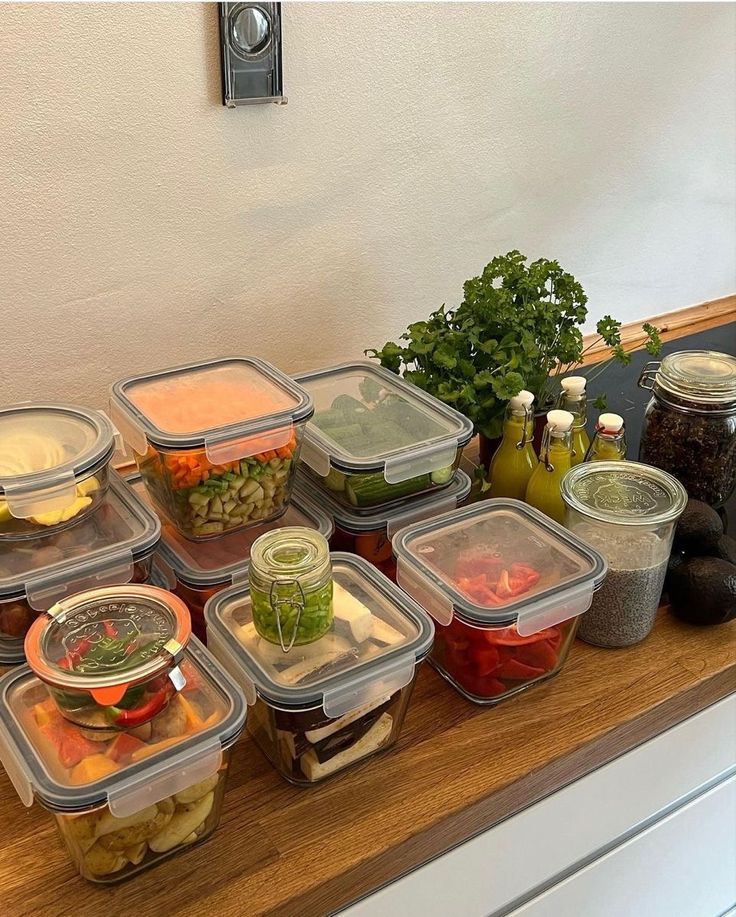
Services like Field Doctor can genuinely take the decision-making out of dinner on the hardest days — frozen, ready to heat, no plan required. If people offer to help and ask what you need, “a meal” is one of the most useful answers you can give.

A probiotic, if it suits you

Some people find something like Symprove useful for gut support in this period, particularly after antibiotics during labour or a caesarean — worth a conversation with your GP or midwife if you’re unsure.

There’s no perfect postnatal diet, and I’d never want to add another thing to feel guilty about. Good fourth trimester nutrition is just: eat enough, eat something warm when you can, and accept help with food without feeling like you need to have cooked it yourself. If you’d like extra support in this window, my Service & Price List has the full details of what I offer.

Posted on

Building Your Village: Postnatal Support Without Guilt

There’s an old saying that it takes a village to raise a child, and I think most of us nod along to it without actually letting anyone into ours. We say yes to help in theory and then quietly turn it down in practice — tidying up before someone visits, insisting we’re “fine” when someone offers to bring dinner, feeling like accepting postnatal support is somehow an admission that we can’t cope.

Why Postnatal Support Matters in the Fourth Trimester

I’d like to gently push back on that instinct. Needing postnatal support in the fourth trimester isn’t a sign you’re struggling more than anyone else (the NHS early days guidance says much the same) — it’s just what this season actually requires, for everyone, whether they admit it or not.

Who Your Village Can Be

Your village might look different depending on your life — it might be a parent, a sister, a close friend, the people who love and support you, in whatever configuration that takes for you. What matters isn’t who it is, it’s that you let them do useful things rather than just holding the baby while you tidy the kitchen around them. Useful things are usually mundane: a supermarket shop, a load of washing, sitting with the baby while you shower, dropping off a meal, taking the toddler to the park for an hour.

How to Ask for Postnatal Support Without the Guilt

If you’re not sure how to ask, here’s a script that tends to work well: instead of “let me know if you need anything” (which puts the effort back on you), try telling people specifically what would help — “if you’re passing Tesco, we’re out of milk” or “I’d love it if you came and folded washing with me while we chat.” Specific requests get answered far more often than vague ones.

When Family and Friends Aren’t Enough

And if support from family or friends isn’t available in the way you need, that’s exactly what postnatal doulas, encapsulation, meal services, and other paid support exist for — not as a replacement for community, but as a genuine, valid way of building the village when the traditional version isn’t there.

This is your fourth trimester. You’re allowed to need postnatal support. Let people build your village with you — and if you’d like me to be part of it, my Service & Price List or booking form are the best place to start, or read what other clients have said on my Testimonials page.