Posted on

Home Birth, Birth Centre or Hospital: What Actually Suits You?

One of the first big decisions you’ll be asked to make is where to give birth. It comes up early, often before you’ve had a chance to think it through, and it can feel like a bigger decision than it needs to be. Here’s a straightforward look at the three main options in the UK — you can also read the full NHS guide to where to give birth — so you can weigh them up for yourself.

Where to Give Birth: Your Three Main Options

Home birth

You stay in your own space, with a midwife (sometimes two) coming to you. For a straightforward, low-risk pregnancy, this can mean more freedom to move, eat, and labour in whatever way feels right, without the drive to hospital at all. It’s not right for every pregnancy — if you’re higher risk, your midwife will talk you through why a hospital setting might be recommended — but for many people it’s a genuinely safe and calm option, not a fringe one.

A middle ground. These units are often more relaxed than a labour ward, sometimes with pools, dimmer lighting, and less clinical furniture, but you’re still on a hospital site or close to one, with quick transfer available if needed. Some are attached to the hospital (alongside units), others are standalone. If you like the idea of a calmer environment but want the reassurance of proximity, this is worth asking your midwife about.
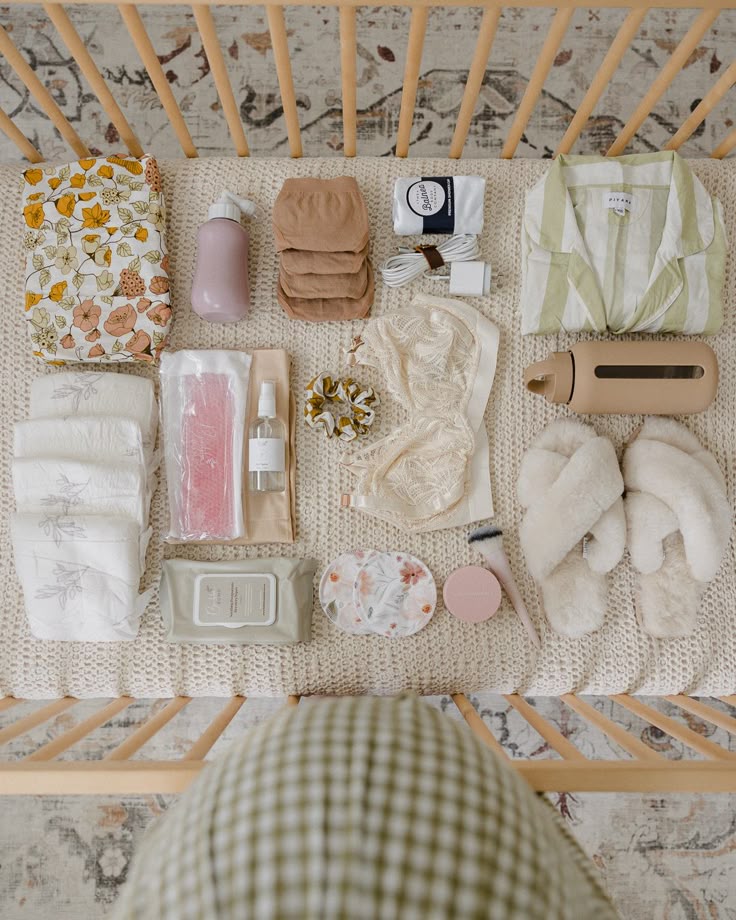
The option with the fullest range of pain relief and the quickest access to obstetric or neonatal support if something needs attention. If you know you want an epidural, if your pregnancy is higher risk, or if you simply feel safer with more medical support close by, this is a completely reasonable choice, not a “less natural” one.

The honest answer to “which one is best” is: the one that matches your actual pregnancy and what helps you feel calm and safe. Ask your midwife what’s realistic for your specific circumstances, visit the options if you can, have a look at my Services & Pricing if you’d like support alongside whichever option you choose, and don’t let anyone — including your own inner voice — turn this into a test of how committed you are to “doing birth properly.” It isn’t one.

Posted on

Pain Relief in Labour: Your Options, Explained Simply

Pain relief in labour is one of those topics that comes with a lot of noise attached — strong opinions, judgement, and sometimes outright pressure in one direction or another. I’d rather just lay out what’s actually available (you can also read the full NHS pain relief in labour guide), so you can make a decision that’s yours.

Pain Relief in Labour: Your Options

Breathing, movement and water

Often the first line of support — changing position, using a birth pool, TENS machines, breathing techniques. These can be genuinely effective for a lot of people, especially in early labour, and they carry no side effects. They’re not “better” than medical pain relief, just a different tool.

Breathed in through a mouthpiece during contractions, it takes the edge off for many people without stopping you moving around. It doesn’t work for everyone, and that’s fine — you can put it down and try something else.

KIngston Hospital September 2016

An injection that can take the edge off pain and help you rest, particularly useful earlier in labour. It can make you feel drowsy or sick, and it does cross to the baby, so timing matters — your midwife will talk you through this.

The most effective option for numbing pain, administered by an anaesthetist into your lower back. It usually means more monitoring and being more limited in movement, and it’s a completely legitimate choice, whether you plan for it in advance or ask for it on the day. There’s no such thing as asking “too early.”

If you have a planned or unplanned caesarean, this is usually a spinal or epidural block that numbs you from the chest down while you stay awake.

The most useful thing you can do isn’t picking your “ideal” option in advance — it’s understanding roughly what each one involves, so that if labour goes differently to how you imagined, you’re choosing from a place of knowledge rather than being talked into something in a moment of exhaustion. Ask questions. Change your mind. There’s no extra credit for using less pain relief than the person in the next room. If you’re weighing up where to give birth too, have a look at Home Birth, Birth Centre or Hospital.