Posted on

What Is the Fourth Trimester, Really?

You’ll have heard the phrase “fourth trimester” by now — it’s become common enough that it’s almost a buzzword. But I think it’s worth slowing down on what it actually means, because I don’t think it’s just a nice phrase. I think it’s a genuinely useful way to reframe the weeks after birth.

What Does ‘Fourth Trimester’ Actually Mean?

The idea is simple (you can read the NHS overview of labour and birth recovery too): the first three months after your baby is born are, physiologically and emotionally, a continuation of pregnancy rather than a clean break from it. Your body is still recovering from something enormous. Your hormones are in flux. You’re sleep-deprived in a way that’s hard to describe to someone who hasn’t experienced it. And somewhere in the middle of all that, you’re also getting to know a brand-new person.

I think the reason this framing matters is because our culture doesn’t really treat it that way. There’s an unspoken expectation that within a few weeks you should be “back to normal” — visiting people, hosting people, looking a certain way, feeling a certain way. The fourth trimester as a concept pushes back on that. It says: this is still an intense physical and emotional period, and it deserves the same care and slowness that pregnancy itself does.
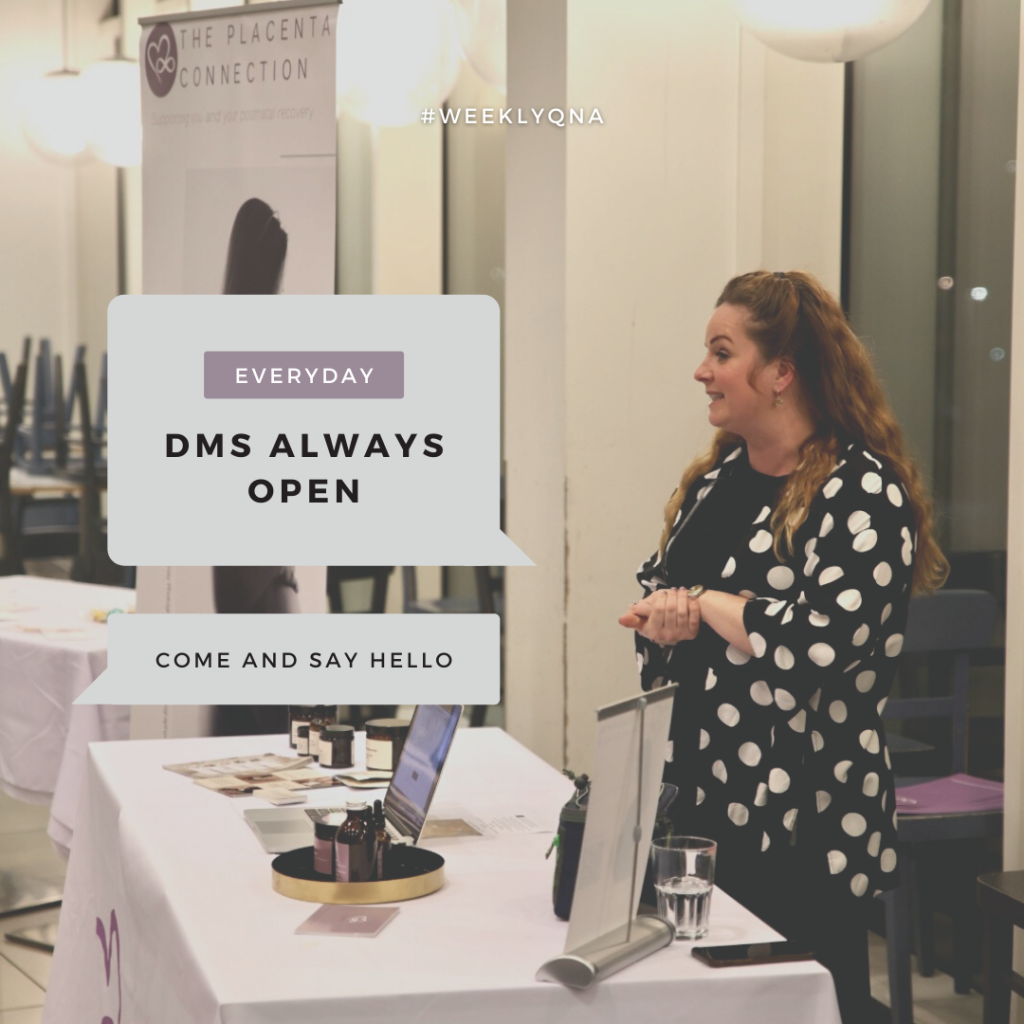
That’s genuinely where the name of my business comes from, and the whole reason I do this work: this is your fourth trimester, and let’s make it a good one. Not a rushed one. Not a performed one. A good one, on your own terms.

What Fourth Trimester Care Looks Like in Practice

Practically, that might mean lower expectations of visitors, more help with food and household things, more rest than feels “productive,” and less pressure to have an opinion ready about what your birth or your baby or your body should look like by a certain week. It’s not a season to get through as fast as possible. It’s a season to be supported through — see What Your Body Is Actually Doing in the Weeks After Birth and Building Your Village for more on what that support can look like.

Posted on

The Fourth Trimester Isn’t a Deadline: Letting Go of the “Bounce Back”

I want to talk about a phrase I actually dislike: bouncing back — as if fourth trimester recovery has a deadline. You’ll have seen it — usually attached to a photo of someone six weeks postpartum, looking effortlessly put together, as though giving birth was a minor inconvenience they’ve already tidied away.

Why ‘Bouncing Back’ After Birth Isn’t Fair

I don’t think that’s a fair standard to hold anyone to, and I don’t think it reflects what’s actually happening in most people’s bodies and lives in those early weeks. Your body has just done something extraordinary. There isn’t a “back” to bounce to — there’s a new normal to grow into, at whatever pace that actually takes, which is different for every single person.

I’d rather talk about what’s actually happening in those weeks, because I think the truth is more interesting than the highlight reel. Your uterus is shrinking back down over several weeks. Your hormones are recalibrating, which can genuinely affect your mood in ways that have nothing to do with how grateful or happy you are to have your baby — the NHS has good guidance on the baby blues and postnatal depression if this is a season you want more support with. If you’re breastfeeding, your body is learning an entirely new skill, and so is your baby. You might be dealing with stitches, or a caesarean incision, or pelvic floor changes, or all three. None of this is a personal failing. It’s just recovery.

What Fourth Trimester Recovery Actually Looks Like

What I’d love for more people to feel able to do is set their own timeline, rather than borrowing someone else’s. Some weeks will feel harder than others, and that’s not a sign you’re doing it wrong — it’s just what a body in recovery looks like, even when the recovery is going completely normally.

If there’s one thing I hope you take from your own fourth trimester, it’s permission. Permission to move slowly. Permission to not have an answer ready when someone asks how you’re finding it. Permission to let this season look like whatever it actually needs to look like for you, rather than what it looks like online. If you’d like a hand building that support around you, Building Your Village is a good place to start.