Posted on

Eating for Recovery: Simple Fourth Trimester Nutrition

Food in the fourth trimester tends to fall into one of two categories: whatever’s fastest, or whatever someone else has kindly dropped round. Both are completely fine. Good fourth trimester nutrition isn’t about elaborate meal-prep while you’re running on broken sleep — that’s not realistic, and I don’t think it’s useful advice.

What I’d rather offer is a few simple, low-effort principles that make a genuine difference without adding pressure (if you’re breastfeeding, the NHS breastfeeding and diet guidance is worth a look too).
Simple Fourth Trimester Nutrition Principles

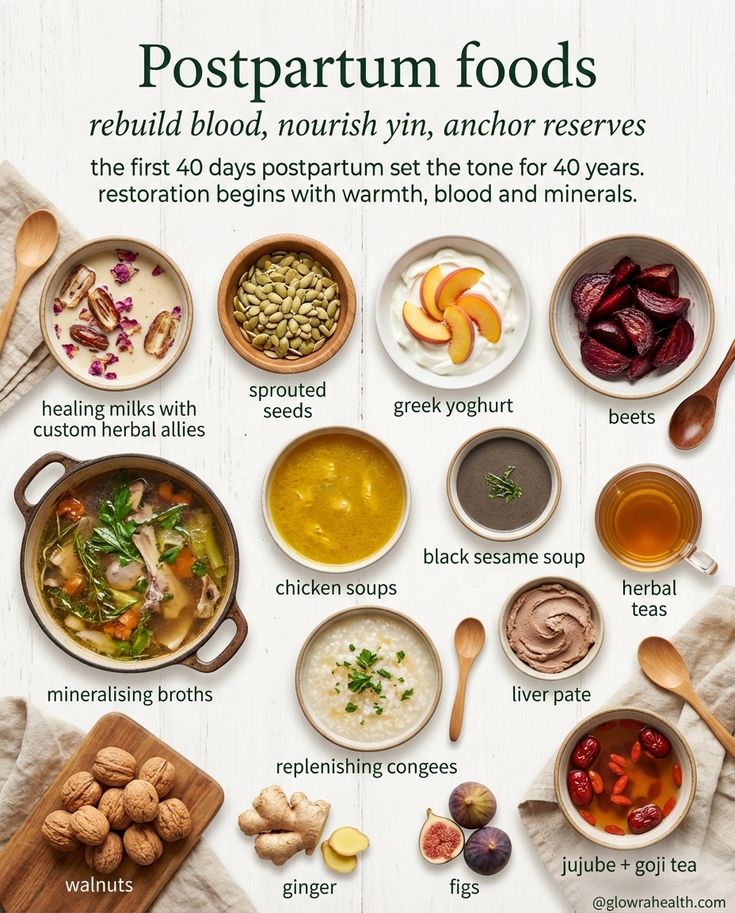
Warm, easy-to-digest food

Your body is doing a huge amount of repair work, and warm, simply cooked meals — stews, soups, dhal, porridge — tend to sit more easily than a lot of raw or cold food in those first weeks. This isn’t a strict rule, just something a lot of people find helpful.

Protein and iron, little and often

You’ve likely lost some blood during birth, and protein supports tissue repair. Eggs, lentils, meat, tofu, nut butters — whatever fits your diet — are worth having easily available, even if it’s just a spoonful of nut butter between feeds.
Hydration, especially if you’re breastfeeding

It sounds obvious, but it’s the first thing that slips when you’re exhausted and one-handed. A big water bottle kept wherever you feed your baby makes it far more likely you’ll actually drink enough.

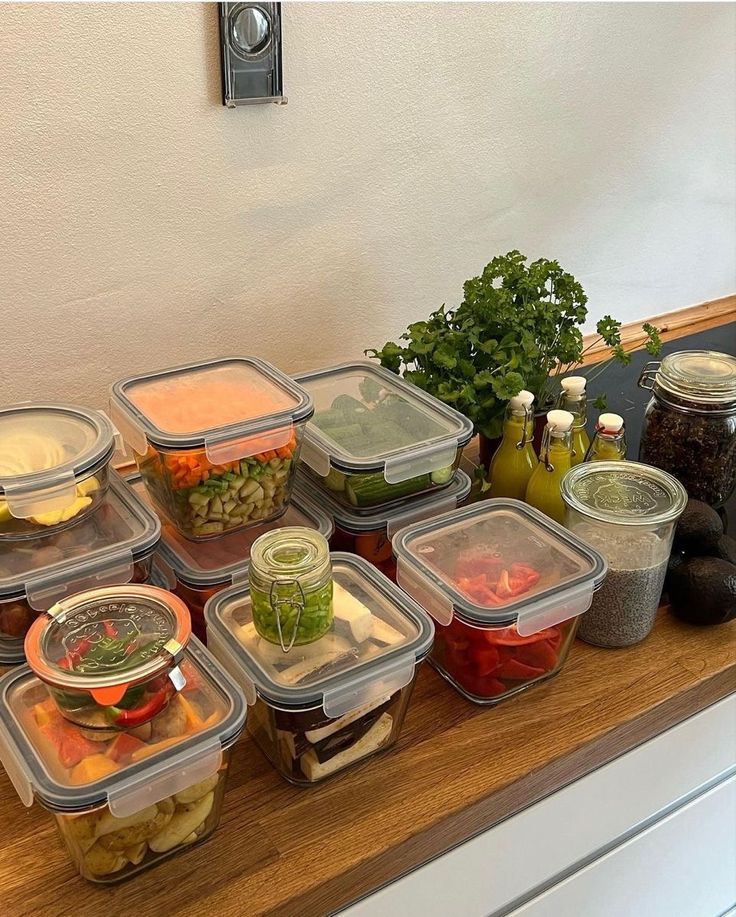
Batch or delivered meals

Services like Field Doctor can genuinely take the decision-making out of dinner on the hardest days — frozen, ready to heat, no plan required. If people offer to help and ask what you need, “a meal” is one of the most useful answers you can give.

A probiotic, if it suits you

Some people find something like Symprove useful for gut support in this period, particularly after antibiotics during labour or a caesarean — worth a conversation with your GP or midwife if you’re unsure.

There’s no perfect postnatal diet, and I’d never want to add another thing to feel guilty about. Good fourth trimester nutrition is just: eat enough, eat something warm when you can, and accept help with food without feeling like you need to have cooked it yourself. If you’d like extra support in this window, my Service & Price List has the full details of what I offer.

Posted on

Building Your Village: Postnatal Support Without Guilt

There’s an old saying that it takes a village to raise a child, and I think most of us nod along to it without actually letting anyone into ours. We say yes to help in theory and then quietly turn it down in practice — tidying up before someone visits, insisting we’re “fine” when someone offers to bring dinner, feeling like accepting postnatal support is somehow an admission that we can’t cope.

Why Postnatal Support Matters in the Fourth Trimester

I’d like to gently push back on that instinct. Needing postnatal support in the fourth trimester isn’t a sign you’re struggling more than anyone else (the NHS early days guidance says much the same) — it’s just what this season actually requires, for everyone, whether they admit it or not.

Who Your Village Can Be

Your village might look different depending on your life — it might be a parent, a sister, a close friend, the people who love and support you, in whatever configuration that takes for you. What matters isn’t who it is, it’s that you let them do useful things rather than just holding the baby while you tidy the kitchen around them. Useful things are usually mundane: a supermarket shop, a load of washing, sitting with the baby while you shower, dropping off a meal, taking the toddler to the park for an hour.

How to Ask for Postnatal Support Without the Guilt

If you’re not sure how to ask, here’s a script that tends to work well: instead of “let me know if you need anything” (which puts the effort back on you), try telling people specifically what would help — “if you’re passing Tesco, we’re out of milk” or “I’d love it if you came and folded washing with me while we chat.” Specific requests get answered far more often than vague ones.

When Family and Friends Aren’t Enough

And if support from family or friends isn’t available in the way you need, that’s exactly what postnatal doulas, encapsulation, meal services, and other paid support exist for — not as a replacement for community, but as a genuine, valid way of building the village when the traditional version isn’t there.

This is your fourth trimester. You’re allowed to need postnatal support. Let people build your village with you — and if you’d like me to be part of it, my Service & Price List or booking form are the best place to start, or read what other clients have said on my Testimonials page.

Posted on Leave a comment

Hypnobirthing for Caesarean Birth

Was it worth it since you ended up having a caesarean?”

I have invited Maxine from Zenbirth to be the first contributor to my new blog space.  I myself had two Caesarean births and have been so fascinated to learn how hypnobirthing can be used in all eventualities of delivery for both mama and birth partner…..enjoy!

“Do you need hypnobirthing? You’re having a caesarean!”

I’ve been asked several times in the past about whether hypnobirthing is relevant or helpful for a mum having a caesarean and my answer is always yes. YES! 

ALL birth needs care, attention and preparation. 

It’s a common misconception that hypnobirthing is just a bunch of breathing and relaxation techniques for labour. It is that, but it is also so much more. It is a complete antenatal education comprising the physiology of birth, tools and techniques to encourage relaxation and positive suggestion and reframing of our perceived notions of birth as a society. It is also guidance on the statistics surrounding birth choices and options as well as tools to help navigate your choices surrounding your birth options. 

For those reasons, it can benefit couples who are planning a caesarean and want to feel calm and confident for the day. It can give them the tools to be able to plan and prioritise what they deem important and talk this through with her chosen care providers. They can learn about their options and potentially discover things about a planned caesarean that they may not have been informed about without seeking education around it (gentle caesareans, skin to skin, delayed cord clamping and so on). 

Likewise, the couple who are planning a natural birth can find it beneficial to receive information about caesarean and how to navigate the changes that can unfold during labour. Birth is not always a straightforward path and, for some, just having the information and tools they have been taught can help them to be able to feel informed and relaxed should their circumstances change. It can be the difference between their birth experiences leaving them feeling empowered or potentially disappointed.

Whenever I work with couples, I encourage them to write multiple birth plans – one for home (if they’re considering a home birth), one for the hospital and one for a caesarean. This way it can help them, as a couple, prioritise what they deem to be the most important factors regarding their birth within any given situation. It’s a useful tool to help them visualise what different scenarios may look and feel like and what choices are the most important for them.

Sharing the information, tools and relaxations with people on their journey to birth and parenthood can be so beneficial:

  • It can help mothers to feel empowered and knowledgeable about their choices and how to navigate the ever changing path that birth can take. 
  • It can ensure that they have educated themselves about birth and are able to make informed decisions that weigh up the benefits, risks and alternatives in any given situation prior to, during and after the birth. 
  • It can help them to feel calm and confident about birth which in turn can make them feel more positive about their experience regardless of how the birth unfolds, because they were in control of the situation.
  • It can put them in a place which ensures that they are respected and treated as individuals within a system that sometimes forgets that this is a one time deal for these parents – they don’t get to redo this birth. 
  • It can make them feel like they’ve dedicated time to nurturing themselves during this pregnancy, labour and birth.

Ultimately, hypnobirthing is useful in any birth as it can make such a fundamental difference to how empowered a couple feels during their birth experience.

I want you to look back and think, ‘the work we did in preparing for this birth helped’. I want you to feel positive about it.

If you would like to find out more about hypnobirthing and how it can benefit you please visit www.zenbirth.co.ukor you can pop me an email at maxine@zenbirth.co.uk. I’m also on instagram if you’d like to follow what I get up to: max_zenbirth